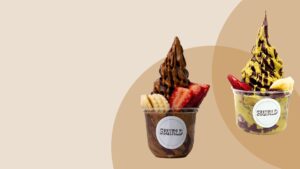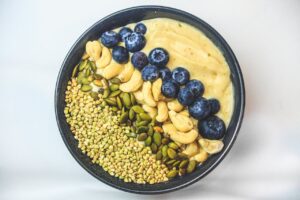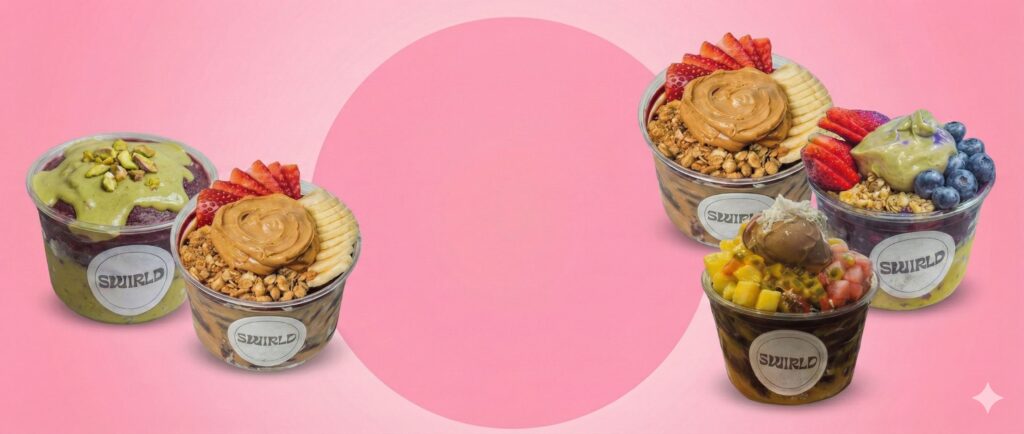
If you have scrolled through Instagram or visited a trendy health café in the last decade, you have undoubtedly encountered the Acai Bowl. With its vibrant, deep purple hue, meticulously arranged toppings of fresh fruit, and artistic drizzles of honey, it is arguably the most photogenic breakfast of the 21st century.
However, the Acai (pronounced ah-sigh-EE) bowl is far more than just a social media trend. It is the modern vessel for an ancient superfood that has sustained indigenous populations in the Amazon rainforest for centuries. Beneath the granola and strawberries lies a nutritional powerhouse capable of boosting heart health, improving skin, and fighting oxidative stress.
In this guide, we explore the origins of the Acai berry, why it is hailed as one of the planet’s most potent superfoods, and how the humble Acai bowl can transform your daily nutrition.
What Exactly is Acai?
To understand the bowl, we must first understand the berry. The Acai berry grows on the Acai palm (Euterpe oleracea), a tall, slender tree native to the floodplains of the Amazon basin, particularly in Brazil.
The “Purple Gold” of the Amazon
Locals often refer to Acai as “Purple Gold” because of its economic and nutritional value. The berries hang in heavy clusters, looking somewhat like grapes but slightly smaller and darker.
Interestingly, the Acai berry is unique in its structure. It is not fleshy like a blueberry or strawberry. In fact, 80% to 90% of the fruit is the seed. The edible portion is only the thin skin and the small amount of pulp surrounding that seed. This makes harvesting and processing Acai a labor-intensive task, contributing to its status as a prized commodity.
Because the berry contains high levels of healthy fats and very little sugar, it spoils rapidly after harvest—often within 24 hours. This is why you will rarely find fresh Acai berries in your local supermarket in North America or Europe. Instead, the pulp is immediately frozen or freeze-dried into a powder to preserve its nutritional integrity for export.
The Nutritional Profile: Why is Acai a Superfood?
The term “superfood” is often thrown around loosely in the health industry, but Acai has the scientific profile to back it up. It is nutrient-dense, low in sugar, and packed with unique compounds that are hard to find in other fruits.
1. The King of Antioxidants
The most significant claim to fame for the Acai berry is its antioxidant content. Acai is rich in a specific type of antioxidant called anthocyanins. This is the same plant pigment that gives blueberries and purple grapes their color, but Acai contains them in much higher concentrations.
Scientists often use the ORAC (Oxygen Radical Absorbance Capacity) scale to measure antioxidant power. Acai pulp has an incredibly high ORAC score, meaning it is exceptionally effective at neutralizing free radicals—unstable atoms that damage cells and contribute to aging and disease.
2. Healthy Fats for Heart Health
Unlike most fruits, which are primarily carbohydrates, Acai is high in fat—specifically, heart-healthy unsaturated fats. It contains:
-
Oleic acid (Omega-9): The same beneficial fat found in olive oil.
-
Linoleic acid (Omega-6): An essential fatty acid the body needs for cell growth.
This unique fatty acid profile helps balance cholesterol levels by lowering LDL (bad cholesterol) and maintaining HDL (good cholesterol).
3. Low Sugar, High Fiber
One of the pitfalls of fruit-based smoothies is the sugar spike. Acai is naturally very low in sugar. The “sweetness” in an Acai bowl usually comes from the banana or juice blended with it, not the berry itself. Furthermore, the high fiber content aids in digestion and helps keep you feeling full longer, preventing mid-morning snack cravings.
Top Health Benefits of Incorporating Acai into Your Diet
When you consume a high-quality Acai bowl (minus excessive added sugars), you are fueling your body with more than just calories. Here is how Acai impacts your health:
Boosts Cognitive Function
As we age, our brain cells accumulate damage from oxidative stress and inflammation, leading to memory loss and cognitive decline. The anthocyanins in Acai have been shown in animal studies to lower inflammation in the brain and improve memory. They activate “housekeeping” processes in the brain (autophagy) that clean out toxic cells, potentially protecting against neurodegenerative diseases.
Promotes Radiant Skin
Beauty comes from the inside out. The extreme antioxidant load in Acai helps fight the free radicals caused by pollution, UV radiation, and stress. By reducing cellular damage, Acai can help maintain skin elasticity and create a natural “glow.” Many skincare brands have even started adding Acai oil to their serums because of its effectiveness.
Supports the Immune System
Acai is not just about antioxidants; it is also a source of Vitamin C. Combined with its anti-inflammatory properties, Acai acts as a shield for the immune system. Regular consumption can help the body fend off infections and recover faster from rigorous exercise.
The Art of the Acai Bowl: Creating the Perfect Meal
While the berry is the hero, the Acai Bowl is the vehicle. An Acai bowl is essentially a thick smoothie served in a bowl and covered with toppings. However, there is an art to getting the texture and nutritional balance right.
The Base
The base should be thick enough to be eaten with a spoon, resembling the texture of soft-serve ice cream or sorbet.
-
Frozen Acai: Pure unsweetened frozen pulp is the gold standard.
-
Thickener: Frozen bananas are the most common addition to create creaminess.
-
Liquid: A splash of almond milk, coconut water, or apple juice is added to help the blender, but not too much, or it becomes a drink!
The Toppings: Where Nutrition Meets Aesthetics
The toppings are where you can customize the bowl to fit your specific dietary needs (keto, vegan, high-protein, etc.).
-
Crunch: Granola is traditional, but cacao nibs or toasted coconut flakes add texture without as much sugar.
-
Freshness: Sliced strawberries, kiwi, blueberries, or mango.
-
Satiety: A scoop of peanut butter or almond butter adds protein and fat to make the meal filling.
-
Super-Boosters: Chia seeds, hemp seeds, bee pollen, or goji berries.
A Note on the “Sugar Trap”
To keep your Acai bowl SEO-friendly and health-friendly, it is vital to mention the sugar content. Commercial Acai bowls can sometimes contain upwards of 50 grams of sugar if the shop uses sweetened Acai blends and sugary granola. For the maximum health benefit, always opt for unsweetened Acai puree and control the sweetness with whole fruits.
Sustainability and Ethical Sourcing
As the demand for Acai bowls has skyrocketed globally, questions about sustainability have arisen. The Acai boom has generally been a positive force for the Amazon. It provides a sustainable economic alternative to logging or cattle ranching.
When local communities can make a living harvesting Acai berries from standing trees, they have a financial incentive to protect the rainforest rather than cut it down. However, it is important for consumers to look for Fair Trade certified Acai products. This ensures that the harvesters—who climb dangerous heights to pick the berries—are paid fairly and that the farming practices remain organic and sustainable.
More Than Just a Pretty Breakfast
The Acai bowl has earned its place in the pantheon of modern health foods, not just because it looks beautiful on a social media feed, but because it delivers legitimate nutritional value.
From the depths of the Amazon rainforest to the blenders of cafes worldwide, the Acai berry offers a unique combination of antioxidants, healthy fats, and fiber that is hard to replicate. Whether you are an athlete looking for recovery, a student needing brain fuel, or simply someone trying to eat a cleaner diet, the Acai bowl is a versatile, delicious solution.
By understanding the importance of this “Purple Gold” and learning how to craft a bowl that balances flavor with low sugar, you can enjoy one of nature’s greatest gifts to the fullest.
So, the next time you dip your spoon into that chilled, purple goodness, remember: you aren’t just eating breakfast; you are fueling your body with the energy of the Amazon.